
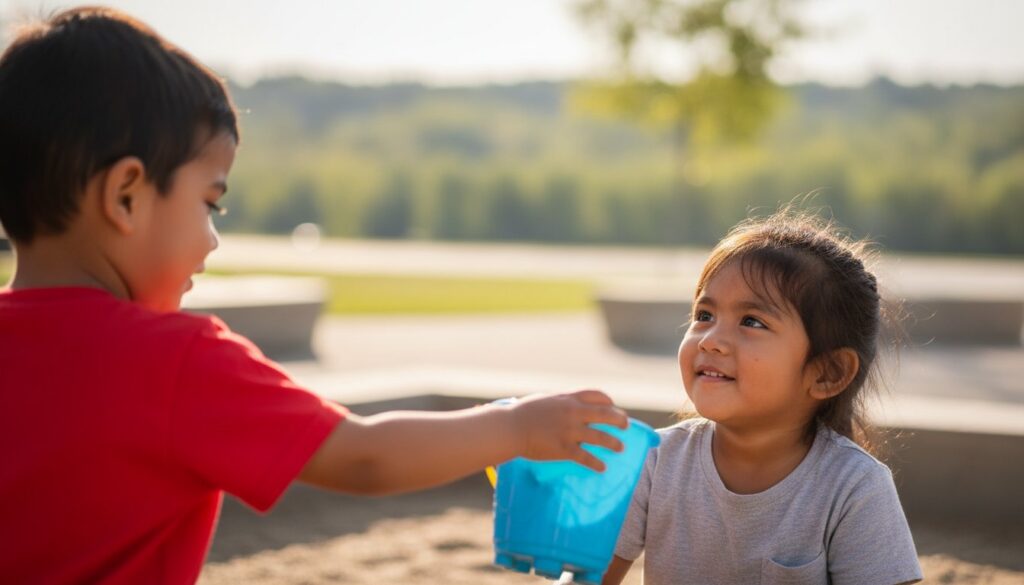
Imagine watching your child at the park; one moment they’re content playing in the sand alone, and the next, they’re tentatively asking a peer to help them build a castle. These small, fleeting moments are actually significant indicators of growth. You’ve likely spent late nights scrolling through overwhelming, generic checklists, wondering if your child’s vocabulary or social habits are exactly where they should be. It’s completely natural to feel a mix of wonder and deep-seated worry as you look toward the transition into early education. Understanding the specific child development milestones 3 year old parents should watch for in 2026 is the first step in replacing that anxiety with a sense of confident partnership.
We’re here to offer the reassurance you need while providing a clear, professional roadmap for your child’s unique journey. In this guide, you’ll discover the latest 2026 CDC benchmarks for physical, cognitive, and social-emotional health. We’ll bridge the gap between medical charts and classroom readiness, showing you how to foster these skills at home. You’ll learn how structured, purposeful play can transform daily routines into powerful learning opportunities. By the end, you’ll have actionable steps to support your child’s growth, ensuring they feel secure and capable as they step into their first preschool classroom.
Key Takeaways
- Identify essential language and physical benchmarks, such as using three-word sentences and navigating stairs with alternating feet.
- Understand the vital transition from parallel play to cooperative interaction, which forms the social foundation for classroom success.
- Learn how to track every child development milestones 3 year old benchmark through a lens of scientific rigor and heart-centered support.
- Discover how a structured Preschool Program utilizes “play with purpose” to meet individual cognitive and sensory-focused needs.
- Gain actionable strategies to bridge the gap between home environments and early education through personalized learning trajectories.
Core Developmental Milestones for 3-Year-Olds: What to Expect
Watching your child grow is a series of “firsts” that often happen when you least expect them. While every child follows their own unique timeline, understanding the broader child development stages helps you see the quiet progress behind every day play. At three, your little one is moving away from the toddler years and into a phase of intense discovery. Identifying the specific child development milestones 3 year old children typically reach allows you to celebrate their wins and offer gentle support where they might be feeling stuck.
Language and Communication Gains
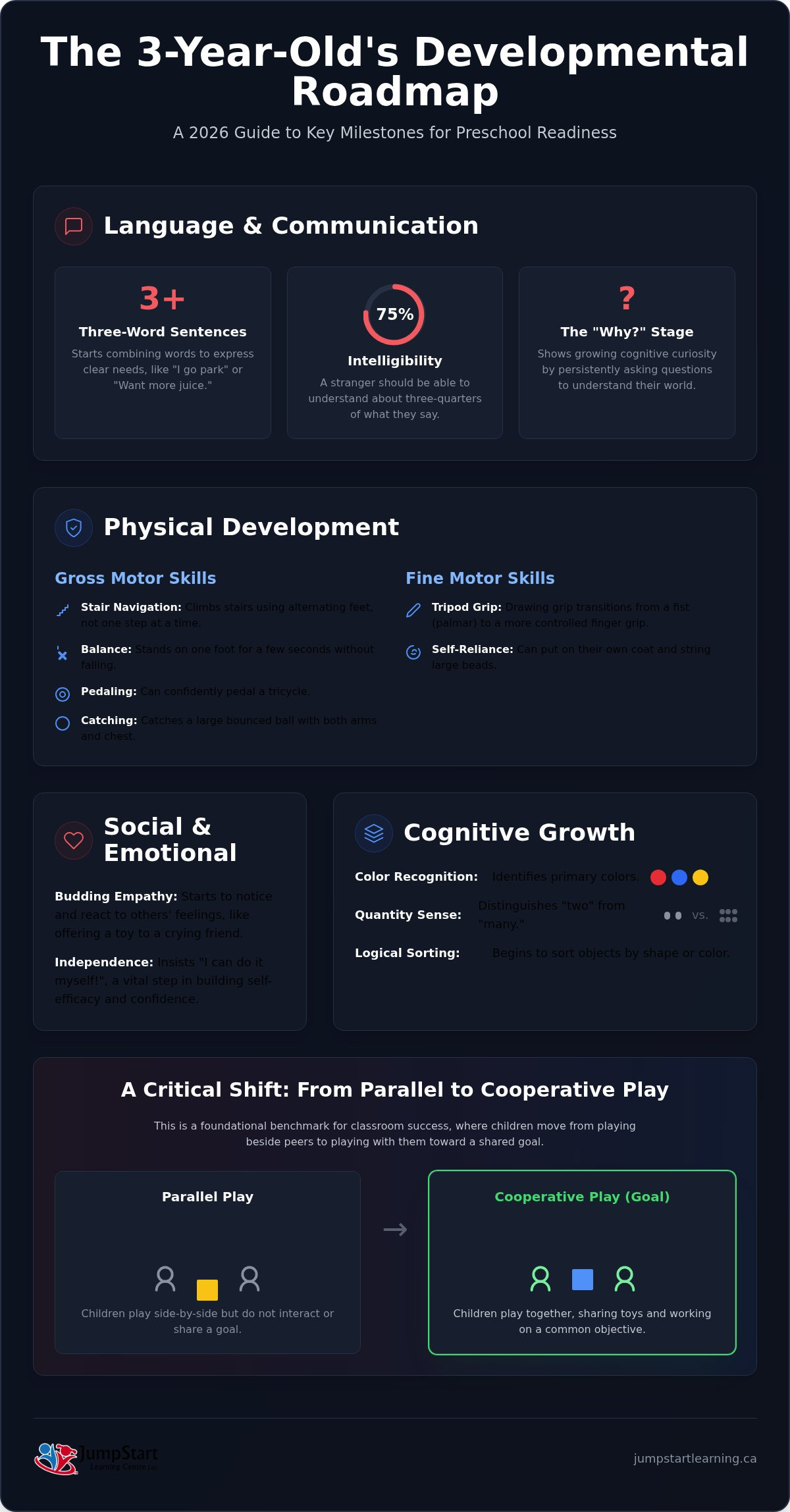
Around this age, you’ll likely notice a “vocabulary explosion.” Your child isn’t just naming objects anymore; they’re starting to use three-word sentences to tell you exactly what they want. You might hear “I go park” or “Want more juice” as they gain confidence. It’s also the season of the “Why?” question. While answering it fifty times a day can be exhausting, this persistence is a beautiful sign of their growing cognitive curiosity. By age three, a stranger should be able to understand about 75% of what your child says. Expressive language is simply your child’s ability to use words and gestures to share their feelings and needs with the world.
Gross and Fine Motor Skill Progress
Physical growth at this stage is about coordination and control. You’ll see them navigating stairs with alternating feet rather than placing both feet on every step. They should also be able to balance on one foot for a few seconds without falling. Fine motor skills are shifting too. You may notice their drawing grip moving from a bulky palmar grasp to a more controlled tripod grip. This transition is essential for their future success in a Preschool Program. We focus on “play with purpose” to help refine these skills through active movement. Key child development milestones 3 year old children aim for include:
- Pedaling a tricycle using their legs for power and steering.
- Catching a large bounced ball with both arms and chest.
- Identifying primary colors like red, blue, and yellow.
- Understanding quantity by distinguishing between “two” and “many.”
Cognitively, they’re beginning to sort their world into logical groups. These tiny logic puzzles are the building blocks of early numeracy and scientific thinking. When they successfully string large beads or put on their own coat, they aren’t just performing a task; they’re building the self-reliance that leads to long-term achievement.
Social-Emotional Growth: The Foundation of Classroom Success
While physical skills like balancing or pedaling are highly visible, the internal emotional shifts occurring at age three are just as transformative. During this stage, children begin to see themselves as part of a larger social circle. According to Developmental milestones for 3-year-olds, this period is marked by an increasing interest in others and a budding sense of empathy. You might notice your child pausing their play to offer a toy to a crying peer or giving a gentle hug when they sense someone is upset. These small gestures are powerful indicators that they’re beginning to understand perspectives outside their own.
The most significant shift you’ll observe is the transition from parallel play to cooperative play. Instead of simply playing side-by-side with another child, they start to play together toward a common goal. This evolution is a critical child development milestones 3 year old benchmark that prepares them for the collaborative nature of a classroom. They are learning that sharing a block or waiting for their turn on the slide leads to more sustained and joyful play, even if they still require a patient mentor to guide these early social negotiations.
The Shift to Cooperative Play
In a structured environment, these first friendships have the space to flourish. Three-year-olds are learning the delicate art of turn-taking and sharing, which are complex cognitive tasks at this age. Providing a consistent routine helps them feel secure enough to take these social risks. If you’re noticing your child is ready for more peer interaction, exploring a Preschool Program can provide the perfect setting to nurture these emerging social bonds.
Building Emotional Resilience
Independence often arrives with the frequent refrain, “I can do it myself!” While this can sometimes test a parent’s patience, it’s a vital step in building self-efficacy. Emotional regulation is also taking root. You’ll see them making the effort to use words instead of tantrums to express frustration. We foster this resilience through “play with purpose” activities that build patience, such as:
- Collaborative Building: Working together to create a single tower encourages communication and shared success.
- Group Storytelling: Waiting for a turn to add a sentence to a story helps develop active listening and impulse control.
- Turn-Based Games: Simple games like “Duck, Duck, Goose” teach the rhythm of group dynamics in a fun, low-pressure way.
Validating these big feelings while setting gentle, clear boundaries helps your child feel safe as they explore their independence. By focusing on these child development milestones 3 year old students achieve, we help them move from the frustration of being misunderstood toward the quiet confidence of being a capable member of a community.
Bridging the Gap: How Preschool Supports 3-Year-Old Milestones
While medical checklists provide a helpful baseline, they often leave parents wondering how these individual skills translate into a classroom setting. At this age, growth isn’t just about checking boxes; it’s about preparing for a lifetime of learning. A high-quality Preschool Program acts as a bridge, taking those raw child development milestones 3 year old children exhibit and refining them into school readiness. This environment is far more than simple childcare. It’s a space where “play with purpose” allows children to test their new capabilities in a safe, structured community.
Personalized learning plans play a vital role in this transition. By identifying where your child sits on their own developmental trajectory, educators can tailor activities that challenge them without causing frustration. This synergy between Alberta’s early learning standards and daily classroom life ensures that every block tower built and every story shared is moving them toward a specific goal. For children who show an early interest in letters and numbers, Literacy and Numeracy Enrichment can lean into their natural curiosity, turning their “Why?” phase into a foundation for academic confidence.
Structured Academics vs. Play-Based Learning
We believe the most effective learning happens when structured academics meet purposeful play. This balanced philosophy ensures children develop core competencies while still enjoying the magic of discovery. If you’re feeling overwhelmed by the many options available, our guide on Choosing the Best Preschool in Edmonton: A Parent’s Guide for 2026 can help you evaluate which environment best aligns with your family’s values and your child’s needs.
Preparing for the Next Stage in Edmonton
The child development milestones 3 year old students reach today lead directly into Junior Kindergarten readiness. In Edmonton and Beaumont, we focus on ensuring your child feels capable and self-reliant before they take that next big step. If you ever feel concerned that your child isn’t meeting certain benchmarks, don’t carry that worry alone. Alberta offers excellent resources, including PUF funding assessments, to provide early intervention. Seeking a professional perspective early on isn’t a sign of failure; it’s a proactive step that ensures your child receives the specific support they need to thrive and find joy in their achievements.
Nurturing Your Child’s Journey into Early Learning
Every child’s path is a unique tapestry of growth. By understanding the core child development milestones 3 year old children reach, you’re better equipped to support their natural curiosity and social expansion. We’ve explored how physical coordination and the move toward cooperative play set the stage for long-term success. These aren’t just medical markers; they’re the foundations of your child’s confidence in a group setting. When you identify these benchmarks early, you can replace the pressure of academic expectation with the genuine joy of discovery.
Navigating these formative years doesn’t have to be a solo effort. At Jumpstart Learning Academy, we’re a Licensed Alberta Early Learning Centre dedicated to transforming parental worry into the relief of achievement. Our research-based “Play with Purpose” curriculum and personalized assessments for every student ensure your little one’s specific needs are met with precision and heart. We believe that every child possesses latent capabilities waiting to be discovered through the right blend of structure and support.
Secure your child’s spot in our Edmonton Preschool Program today to begin this transformative journey. You’re doing an incredible job advocating for your child’s future, and we’re here to help them step into the classroom with a steady, optimistic spirit.
Frequently Asked Questions
How do I know if my 3-year-old is ready for preschool?
Readiness is often more about social curiosity and a basic level of independence than specific academic skills. If your child can follow simple, two-step directions and shows an interest in playing near or with other children, they’re likely ready to transition into a group setting. Our Preschool Program is specifically designed to support these emerging child development milestones 3 year old students encounter, providing a gentle introduction to structured routines through play.
What are the red flags for developmental delays at age 3?
You should watch for specific signs such as not using three-word sentences, frequent falling, or an extreme difficulty with self-regulation that doesn’t improve with support. Other red flags include a complete lack of interest in peers or failing to make eye contact during simple conversations. If you notice your child is losing skills they once had, it’s a good idea to speak with your pediatrician or explore local Alberta resources for a professional assessment to ensure they get the right support early on.
How many words should a 3-year-old be saying?
Most three-year-olds have a vocabulary that ranges from 200 to 1,000 words and can speak in sentences of three or more words. You’ll notice they’re beginning to use pronouns like “I,” “me,” and “you” correctly while asking frequent questions to explore their environment. If a stranger can understand at least 75% of what your child says, they’re generally meeting the expected child development milestones 3 year old benchmark for expressive language.
My child is still struggling with potty training; can they still start preschool?
Many children are still mastering potty training when they reach age three, and this shouldn’t necessarily delay their early education. While some programs have specific requirements, we believe in working as a warm partner with families to support this natural developmental transition. It’s best to discuss your child’s current progress with us directly. We can help determine the best path forward so your child feels secure and confident as they begin their learning journey without unnecessary pressure.
